Olivia Hughes · 6 September 2026
Analyzing Adaptation Strategies for Digital Platforms Facing Algorithm Changes and Market Shifts
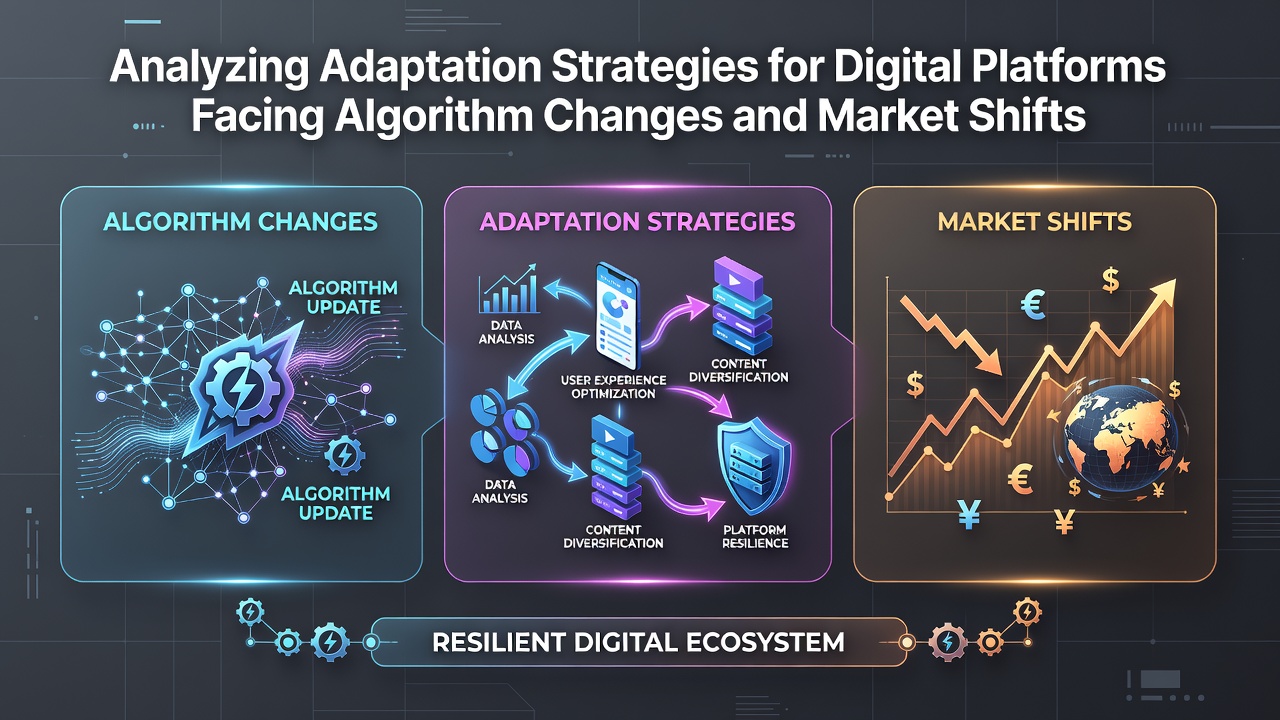
Digital platforms encounter frequent updates to ranking algorithms from major search engines and social networks alongside broader economic and consumer behavior changes that reshape traffic sources and revenue models. Research from industry analysts shows these shifts occur multiple times each year with some updates producing measurable drops in visibility for unprepared sites while others reward diversified content approaches. Observers note that platforms relying on single traffic channels face higher risks when core algorithms prioritize user engagement signals over traditional keyword factors.
Tracking Algorithm Updates Across Major Platforms
Search engine providers release core updates that alter how content quality gets evaluated and social media networks adjust feed algorithms to emphasize different interaction types. Data from monitoring services indicates that between 2024 and 2026 several major revisions emphasized real-time user signals and reduced reliance on backlink volume alone. Experts at research firms document how platforms responded by implementing A/B testing frameworks to measure performance changes quickly after each rollout. Those who studied past cycles find that organizations maintaining detailed change logs achieve faster recovery times when rankings fluctuate.
Market Dynamics Influencing Platform Strategies
Consumer preferences evolve through economic pressures and new device adoption patterns that redirect attention toward emerging channels. Reports compiled by international bodies such as the European Commission highlight how regulatory frameworks in multiple regions encourage transparency in data usage and algorithmic decision-making. Figures from market research groups reveal rising mobile usage in Asia-Pacific markets that forces platforms to optimize for different loading speeds and content formats. Platforms that monitor cross-border trends often identify opportunities before localized shifts become widespread.
Data-Driven Monitoring and Response Systems
Teams build internal dashboards that aggregate performance metrics from analytics tools and third-party ranking trackers to detect early signs of change. Studies conducted at universities including those affiliated with Australian research initiatives show that combining first-party data with public trend reports improves prediction accuracy. Analysts compare historical performance against current outputs to isolate whether drops stem from algorithm modifications or external market factors. This approach allows organizations to adjust content production priorities without waiting for full confirmation of each update.

Diversification of Traffic and Revenue Sources
Organizations reduce dependence on any single referral source by developing owned audiences through email lists and community features while exploring partnerships across multiple networks. Evidence gathered by Canadian regulatory agencies demonstrates that platforms with balanced traffic portfolios maintained steadier revenue during periods of volatility between 2025 and 2026. Content creators expand into emerging formats such as short video and audio summaries that align with algorithm preferences for varied media types. Those who track performance across channels report improved resilience when one source experiences temporary devaluation.
Content and Technical Optimization Practices
Teams audit existing material for alignment with updated quality signals that emphasize depth and user satisfaction metrics. Technical adjustments include improving page speed and structured data implementation to meet new evaluation criteria observed after major rollouts. Research papers from academic sources indicate that iterative testing of headline variations and layout changes yields incremental gains in engagement rates. Platforms integrate user feedback mechanisms that supply direct signals about content relevance and help refine future production decisions.
September 2026 Developments and Ongoing Adjustments
Market data collected through the third quarter of 2026 shows continued emphasis on artificial intelligence-assisted ranking combined with stricter requirements for content authenticity. Regulatory updates from bodies in different jurisdictions prompted platforms to publish clearer explanations of how user data influences visibility. Analysts tracking these patterns note increased investment in compliance tools that simultaneously support adaptation to both algorithmic and policy changes. Organizations maintaining flexible teams prepared for rapid iteration continue to navigate these conditions with measurable stability in key performance indicators.
Conclusion
Adaptation requires sustained monitoring combined with structural changes to content creation and distribution methods. Platforms that integrate diverse data sources and maintain technical readiness demonstrate stronger positioning when algorithms evolve or market conditions shift. Continued observation of regulatory developments across regions provides additional context for long-term planning decisions.